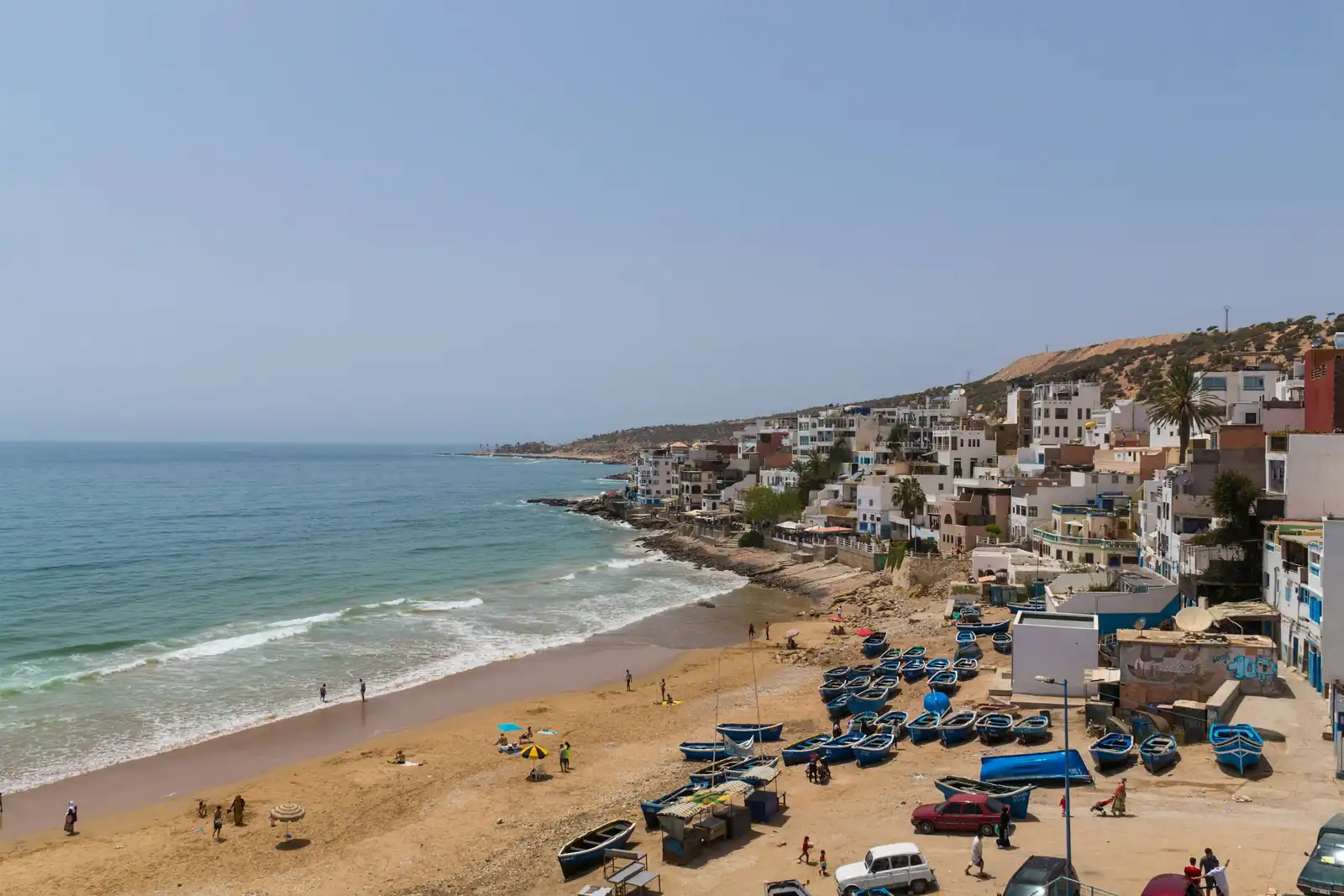
Trip atmosphere
See the coast and the stay more clearly
Good travel pages use visuals to make the route, the base and the mood of the coast easier to picture.
The point is to help the reader imagine the trip, not just look at scenery.
Start here when you need the clearest answer on where to stay, when to go, how to arrive and which page should handle the next planning decision.
A smoother Taghazout trip usually starts with four simple decisions.
| Start with the destination overview | Use this page to understand the real rhythm of Taghazout and the surrounding coast. |
|---|---|
| Open where-to-stay if the main doubt is the sleeping base | That page compares Taghazout, Tamraght and Agadir as nightly bases. |
| Open plan if the main doubt is trip logistics | That page is for flights, timing, transfer order and practical trip sequencing. |
| Open packages once the base and rhythm are clear | Compare the weekly formats only after the stay logic makes sense. |
A useful guide page should show the coast, the stay and the local atmosphere that make the travel plan feel real.
Good travel pages use visuals to make the route, the base and the mood of the coast easier to picture.
The point is to help the reader imagine the trip, not just look at scenery.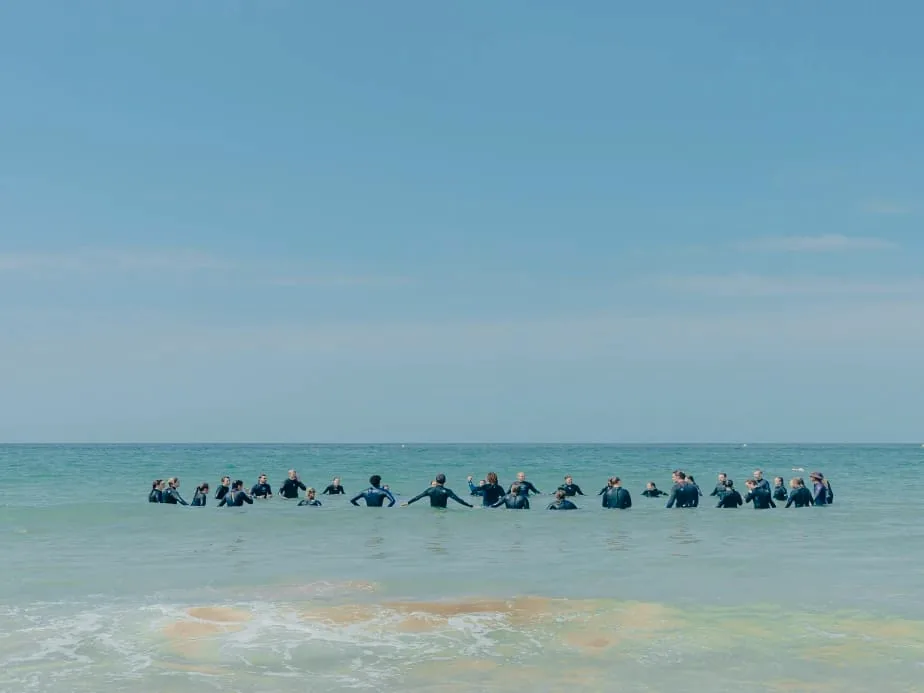
Some pages need a real sense of place: the coast, the light, the surf-town edges and the pace of the day.
This kind of image grounds the page in Taghazout instead of keeping it generic.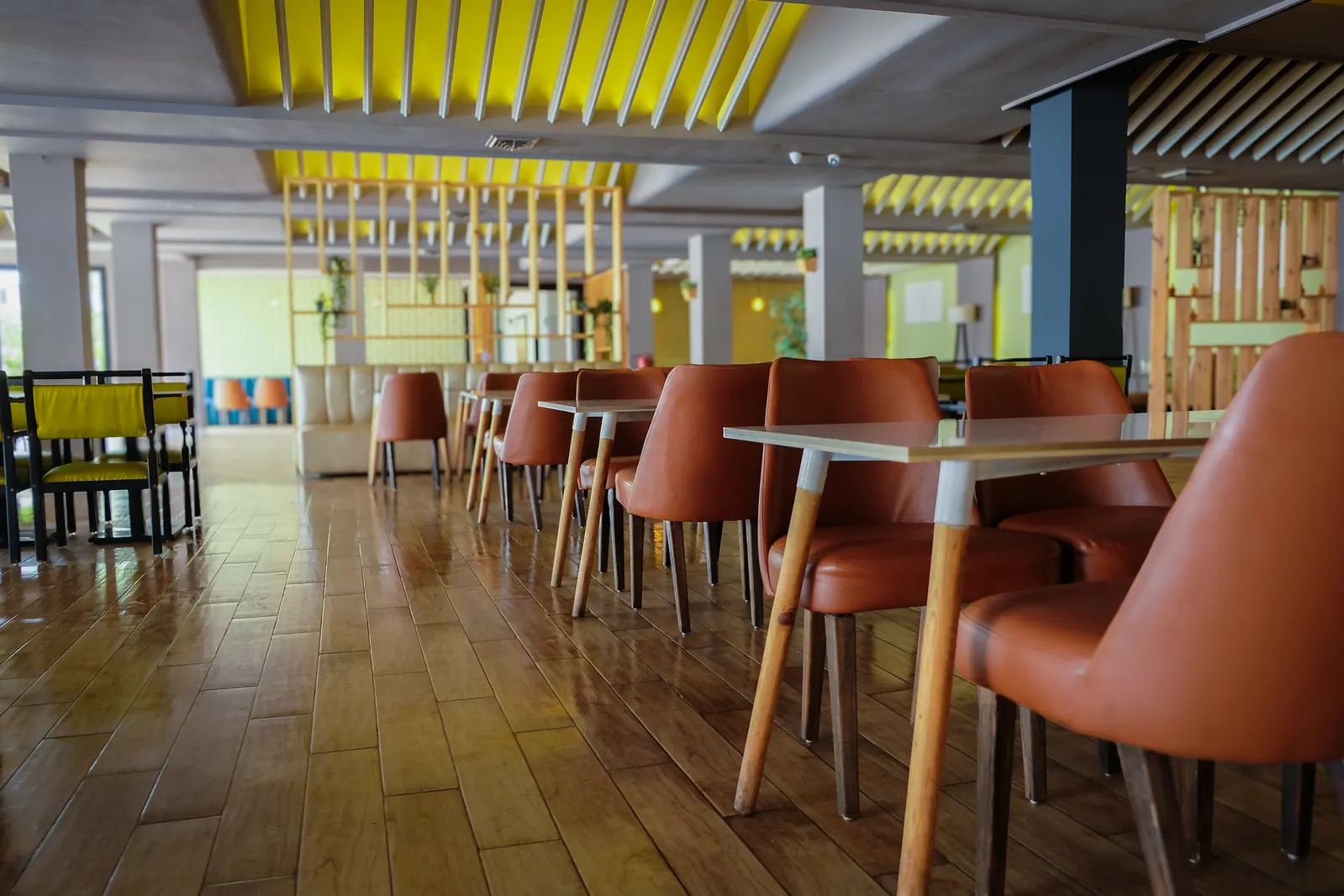
Food visuals should help guests imagine breakfast timing, recovery meals and a more lived-in Morocco experience.
Relevant dining photos support both hospitality trust and local depth.Visible details, readable steps and human help reduce hesitation.
Check the business profile, speak to a real person, and move forward only when the reviewed quote already feels clear.
The main travel guide should send visitors outward with clearer intent instead of repeating destination, booking and logistics points on the same page.