Surfing in Taghazout
Surf guide

Surfing in Taghazout

Roughly 20 km of coast between Taghazout and Tamraght holds beginner sand-bottom beaches and world-class right-hand points within a ten-minute drive of each other. The skill is knowing which one the day is asking for.

Five rules that decide your session

  • Swell period beats swell height: 14 seconds at 1.5 m is a completely different wave from 8 seconds at 2 m. Long period wraps into the points; short period closes out on the beaches.
  • The points work on the push: Anchor, Killer and Boilers link their sections on a rising to high tide. At low they either close out or expose rock.
  • Wind is a morning asset: Offshore until roughly 11:00 in the main season, onshore most afternoons. Plan sessions before lunch and treat the evening as a bonus.
  • Level fit is spot fit: There is no general 'good day' on this coast. A day that is perfect for Anchor Point is often unsurfable for a first-week beginner.
  • The lineup is local: The points get crowded and priority is respected rather than negotiated. Wait your turn, do not drop in, and you will be treated well.

The breaks, in plain terms

Nine spots carry the vast majority of sessions. These are the ones worth understanding before you arrive.

Anchor PointLong right-hand point. Needs size and a working tide. Intermediate to advanced.
Killer PointHeavier, longer paddle, less forgiving. Advanced on a big day.
PanoramaSand-bottom peaks, multiple takeoffs. Beginner to intermediate.
Hash PointIn the village, quick access, needs mid to high tide. Intermediate.
Banana PointLong, slow right that works on small swells. Beginner to intermediate.
Devil's RockReliable middle ground when Anchor is too big or too busy. Intermediate.
La SourceReef, shallow, unforgiving. Advanced only, and rarely worth the risk.
Croco BeachThe softest option on the coast. First sessions and soft returns.
ImsouaneAn hour and a half north. The longest ride in the region on the right swell.

If you only remember one thing: check the tide before the swell. A great swell on the wrong tide produces a worse session than an average swell on the right one.
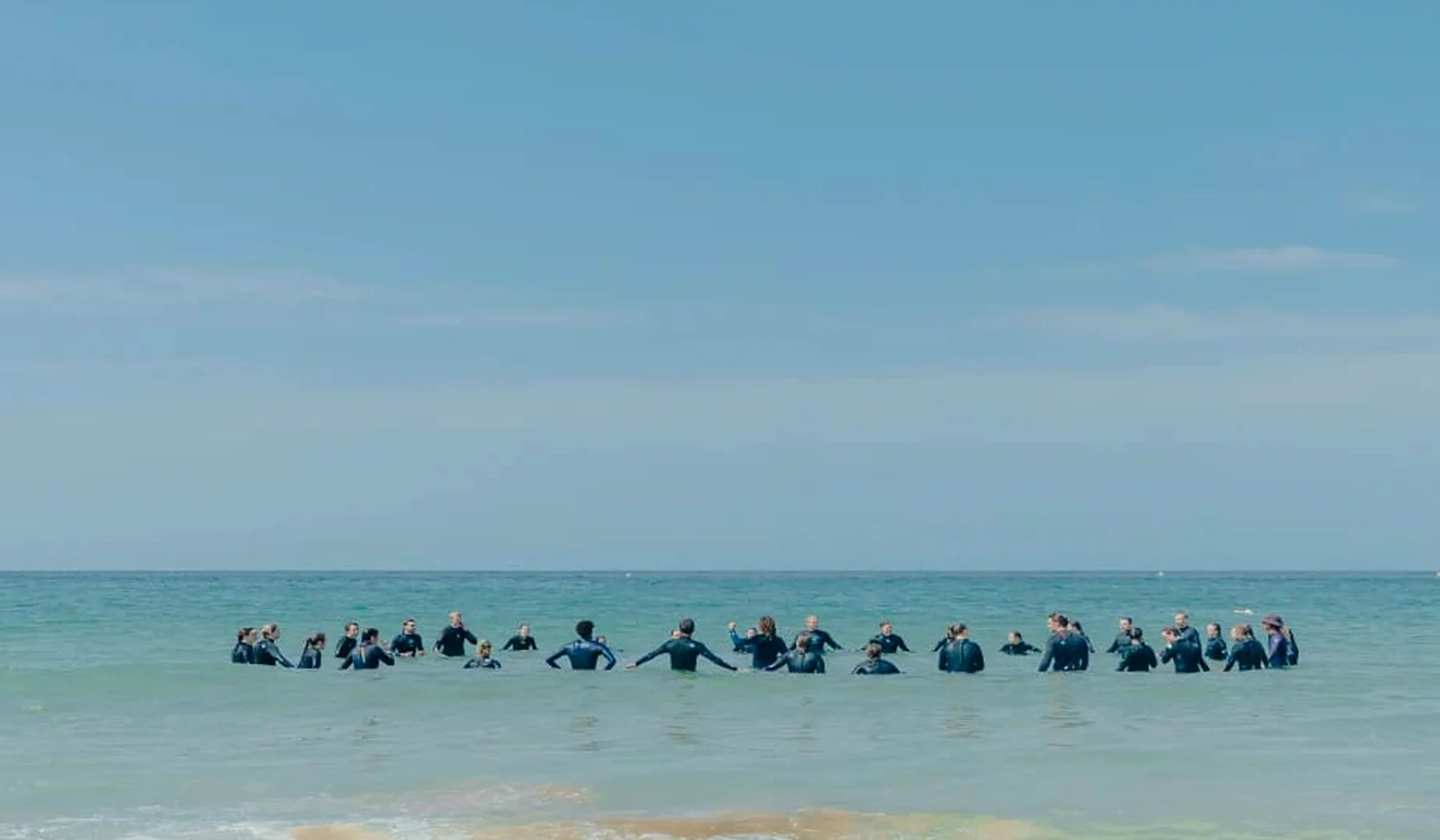
Safety and etiquette that actually matters here

  • Rips are your transport: The channel beside the point is how you get out. Learn to read it rather than fighting it, and never try to paddle straight through breaking sets.
  • Rocks at low tide: Anchor, Killer and La Source all expose rock and urchins on the lower tide. Boots are not paranoia at the wrong stage of the cycle.
  • Water temperature: Roughly 16 to 19 C in winter and 19 to 22 C in summer. A 3/2 covers most of the year; a 4/3 is worth it from December to February.
  • Sun exposure: The wind masks the sun completely. Zinc on face and ears, and a lycra top on long summer sessions.
  • Do not surf alone at the points: Not because of aggression, but because a broken leash at Killer on a big day is a long swim past rock.
Surfing in Taghazout
Related guides

Useful next steps

Open the nearby guides that help with surf, forecast, stay and arrival choices.